I've been making things with computers since I was a kid.
The technology has changed a lot since my first green-screen computer. The part I love hasn't.
Make something that wasn't there.
Watch someone experience it.
My first program had a bug.
I grew up in Belfast. As a kid, I loved games and figuring out how technology worked. Around the mid-1980s, I got an Amstrad CPC 464.
There were games to play. But there was also a BASIC programming manual. I started reading it.
One of my first programs was essentially this:
10 PRINT "PAUL KERR!"
20 GOTO 10
My name repeated across the green monochrome screen. And I'd managed to get the spacing wrong, so the output ran together. I stopped it, changed it and ran it again.
It was hardly sophisticated software. But I'd written instructions and made the machine do something that hadn't existed a few minutes earlier. Then I'd found something wrong, changed it and made it better.
I was hooked.
I spent a long time learning how to build software.
I studied Computer Science at Queen's University Belfast and spent the next couple of decades building software.
The work expanded from code into products, architecture, cloud, teams and businesses. Eventually I became more interested in the whole problem than any individual layer of the technology.
That's roughly how I ended up a CTO and product architect.
But I never stopped wanting to make things myself.
The bit I love is when technology becomes an experience.
I enjoy programming. But the part I keep coming back to is what happens on the other side of the screen.
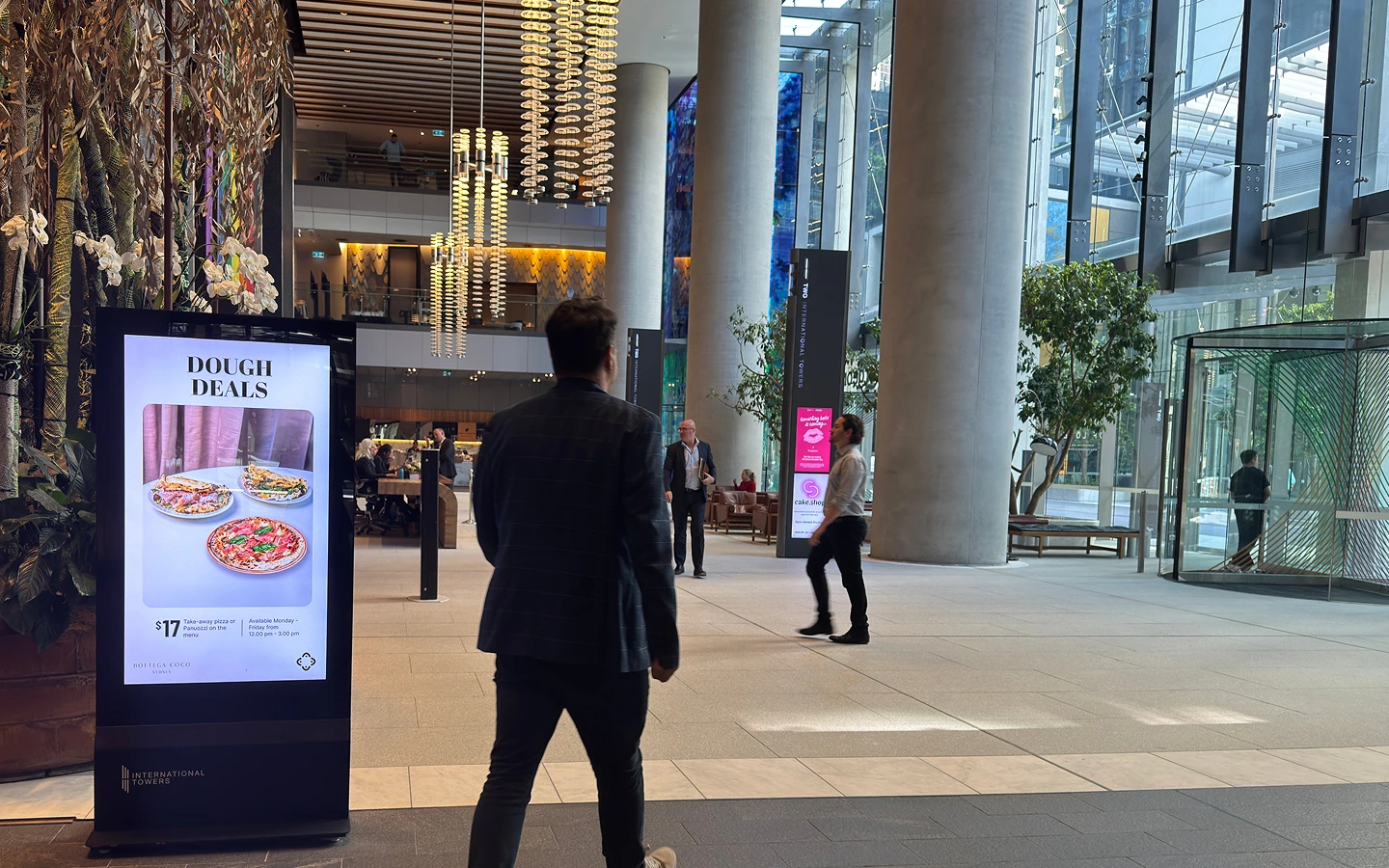
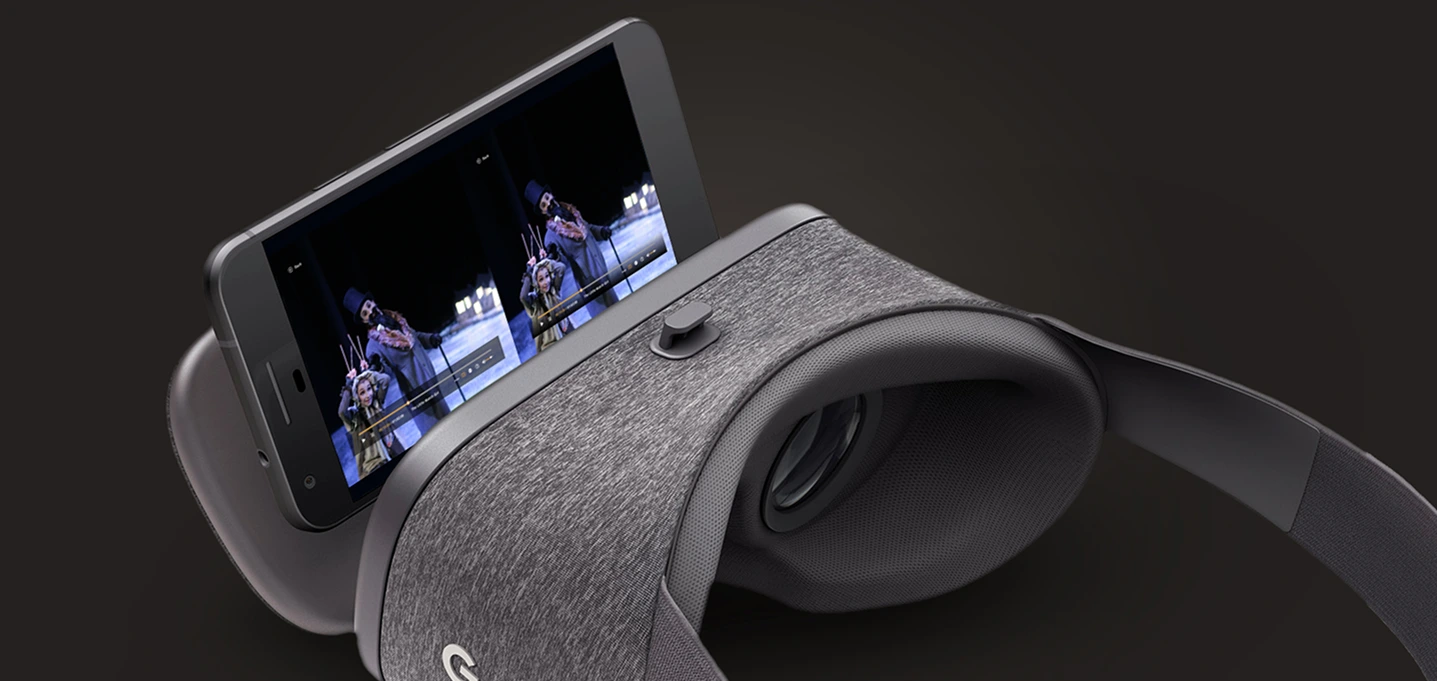
With Amica, software opened a physical door. With BoxOfficeVR, it put someone inside a performance. The code became something a person experienced.
That interest keeps turning up in different forms: a voice that listens and responds, sensing a room without a camera, a chess coach that tries to teach rather than just calculate. Some of those are still questions I'm testing.
I learn by making things.
I've never been particularly interested in learning a tool in isolation. I usually need something to make.
A Blender scene became a Three.js experience I could step into in VR. A physics experiment became falling apples. An attempt at water droplets somehow became wriggling worms.
Making something is how I figure out what a technology can actually do.
Building it is only part of the problem.
Experience mostly changed the questions I ask.
Can we build it?
- 01
Should we build it?
- 02
Can it reach people?
- 03
Will anyone change their behaviour for it?
- 04
Does it deserve to exist?
I still love difficult engineering. I've just learned that solving the engineering problem doesn't automatically solve the product.
Then the tools started changing.
After decades in software, some of it had become predictable.
Then things that once belonged in research papers became things I could build with.
Software could see, listen and speak. Models could help write code. Generative tools could create images, video and assets. Agents could begin connecting those capabilities together.
Suddenly the toolbox got much bigger. I could try more of the ideas I'd previously left alone.
I'm interested in what happens when the tools connect.
A model on its own is interesting. I'm more curious about what happens when it can work with the rest of the tools.
Can code and generative media become part of the same workflow? Can an agent work with a Blender scene? Can a voice conversation become a valid restaurant order?
I'm testing some of those connections now: ComfyUI and local models in production workflows, voice and transactional systems, sensing and physical spaces.
The individual tools are interesting. The combinations are where things get strange.
So I'm building again.
AI-assisted development has changed the scale at which I can work personally. Ideas that once required a team just to test can now become working software quickly enough to learn from.
That's brought me surprisingly close to where I started: having an idea, building it, putting it in front of someone and seeing what happens.
Still the same experiment.
The Amstrad is long gone. The machines are faster. The interfaces are better. And what one person can build has changed beyond recognition.
But the thing I enjoy is basically the same.
Make something that wasn't there.
Watch someone experience it.