We built theatre for VR. Then theatre-goers taught me what we had missed.
BoxOfficeVR was built around an ambitious idea: capture professional theatre in immersive video and let someone experience the performance from home in VR.
Technically, it worked.
What I learned later was that a great experience and a viable product aren't the same thing.
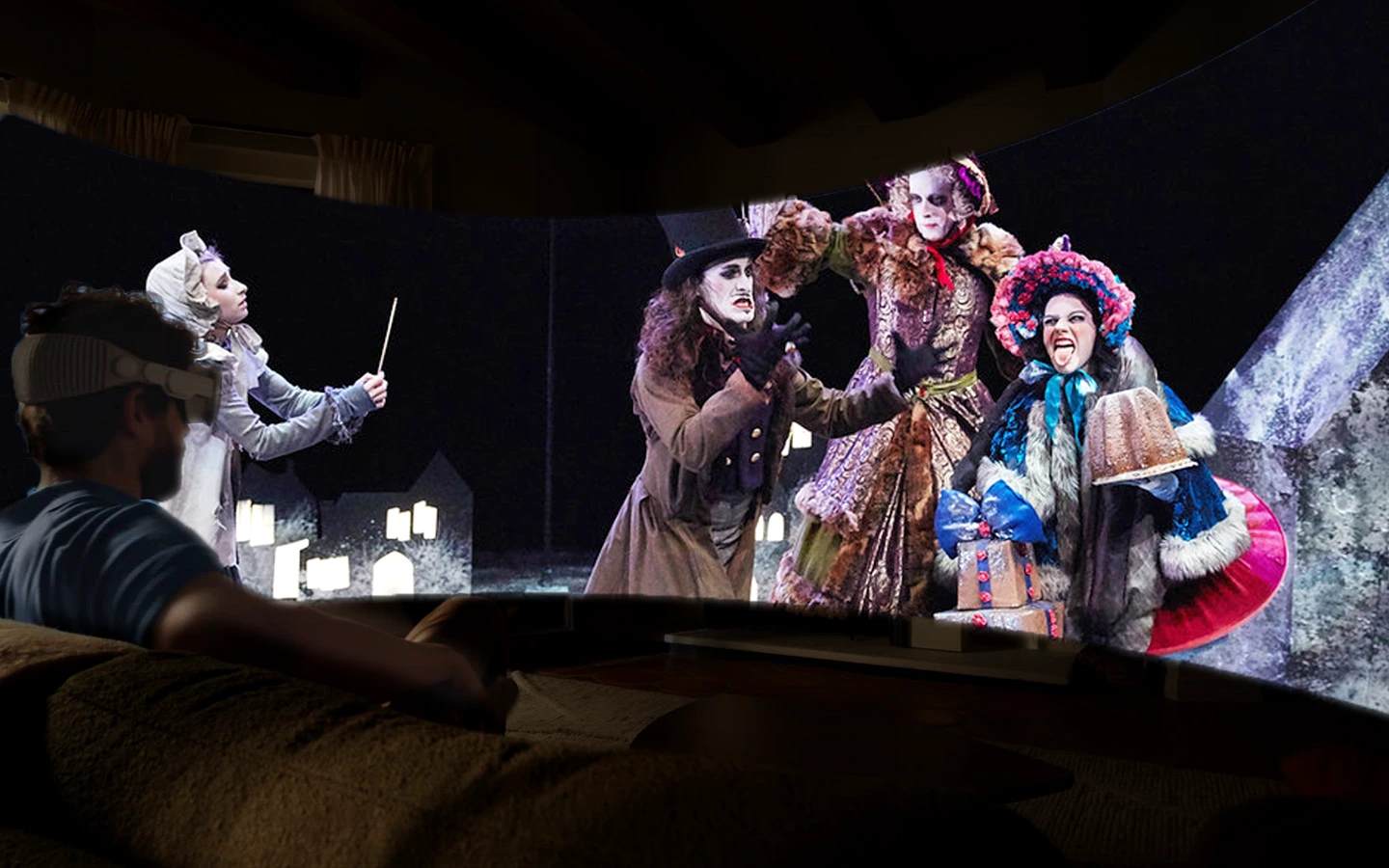
What if the audience couldn't get to the theatre?
The idea became especially relevant when COVID closed theatres. Actors couldn't perform for normal audiences. Audiences couldn't attend.
Neon 8 brought theatre relationships, production expertise, immersive video and spatial audio capture, and the content and rights relationships. At 42 Interactive, we built the technology to get those performances into people's homes.
- Choose a performance
- Buy access
- Put on a headset
- Enter the performance
This wasn't meant to feel like watching a recording on television. The ambition was presence.
We weren't trying to film theatre.
We were trying to put the audience inside it.
Theatre from the best seat in the house.
The productions were captured specifically for immersive viewing. Stereoscopic video created depth. Spatial audio helped establish where performers and sound existed around the viewer.
The aim was a sense of sitting inside the performance, rather than simply putting a large screen inside a headset.
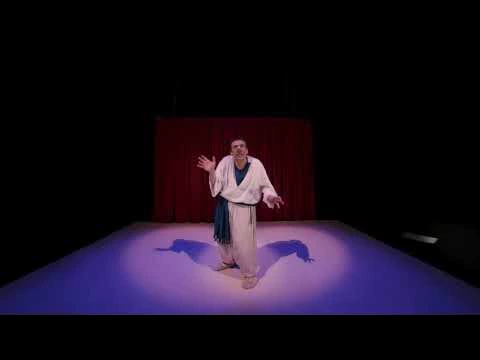
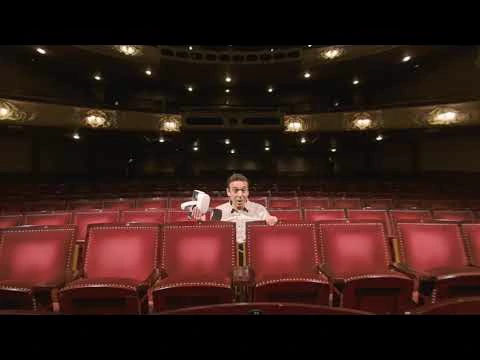
Getting the performance into the headset was another problem entirely.
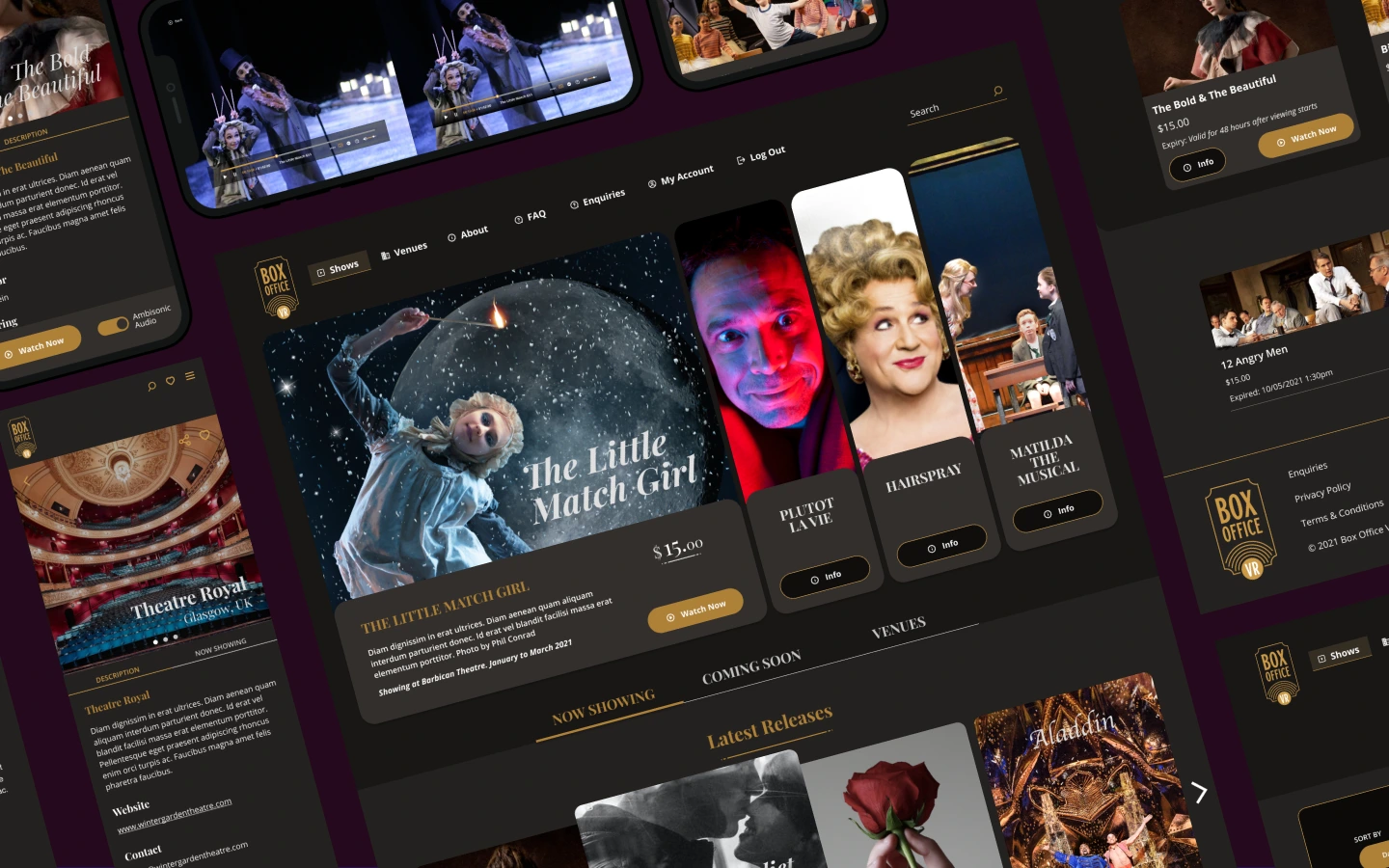
The theatre production was the content. Everything around it had to become a product. The catalogue, purchase flow and playback had to hold together across web, mobile and supported headsets.
I led the technical architecture and the development team on the 42 Interactive side. My work was architecture, platform decisions and delivery; the team wrote the implementation code.
- Catalogue / discovery
- Accounts / purchasing
- Access / entitlement
- Immersive playback
- Headset / mobile support
- Media delivery / quality levels
A Vue frontend, serverless backend and Unity clients formed parts of that system. The challenge was connecting them into one usable experience.
Consumer VR still had rough edges.
Headsets often depended on PCs. Devices behaved differently, setup could be awkward, and people needed guidance just to get from purchasing a performance to seeing it correctly.
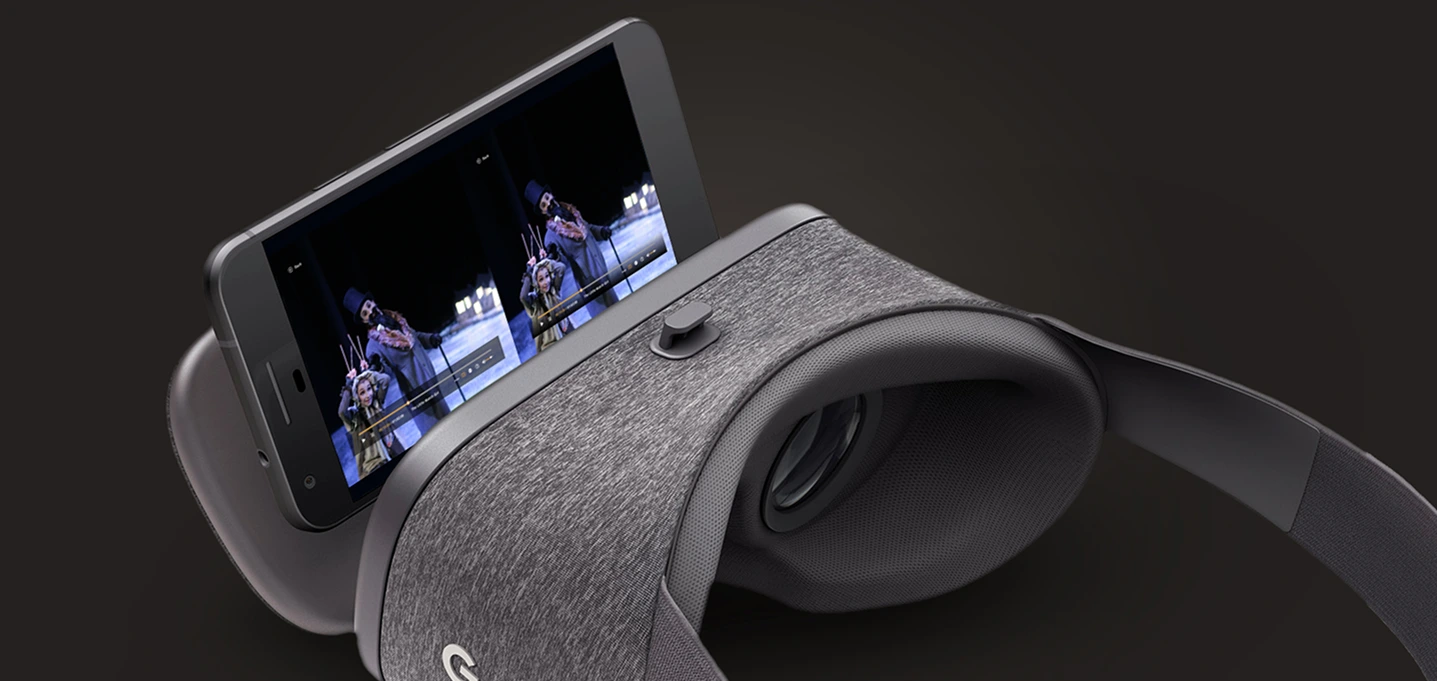
Mobile offered another route. Our Unity-based experience supported iOS and Android, including phone-based VR viewers.
The product had to absorb the complexity of the hardware ecosystem.
The better the experience became, the harder it was to deliver.
Immersive theatre demanded very high-quality stereoscopic video. Better quality helped the sense of presence, but increased the volume of data we had to deliver reliably.
- More resolution
- More presence
- More bandwidth
One architectural idea we explored was prioritising the part of the scene inside — or just outside — the viewer's field of vision, rather than treating the entire immersive frame equally.
Deliver the whole scene equally
Prioritise where the viewer is looking
An architectural exploration, not a claim that this shipped.
We expected video to be difficult. Audio surprised us.
Spatial audio was fundamental to presence. It also brought encoding, compatibility and delivery challenges. A performer sounding as though they were in the wrong place could undermine the illusion even when the video looked excellent.
Immersion isn't only
what you see.
Then I watched theatre-goers try it.
I travelled to a major theatre event at Alexandra Palace in the UK. We had a booth where theatre-goers could experience BoxOfficeVR.
These were people who loved theatre, rather than technology enthusiasts being shown VR. They enjoyed it. Some reactions were deeply emotional. The immersive experience worked.
Then came the more important question: would this replace going to the theatre?
My recollection is that the sentiment was consistent: they loved the experience, but it would not replace the real thing.
They loved it.
They still wanted to go to the theatre.
We could digitise the performance. We couldn't digitise going to the theatre.
Theatre is also anticipation, travelling there, the building and the audience. Drinks before the show. The interval. Applause. Conversation afterwards.
For the people I spoke to, those things weren't peripheral. They were part of the product. VR could represent the performance impressively, but it couldn't recreate the whole ritual.
The performance
wasn't the whole product.
People loving the demo wasn't enough.
The technology worked. The content was strong. People often enjoyed the experience. But sales didn't follow at the level required to establish a viable product.
Limited headset ownership, awkward setup and an emerging consumer VR market all added friction. COVID restrictions eventually ended. The real theatre experience was available again.
I came to believe the deeper issue was product-market fit. We were asking people to change a behaviour they already valued, and the alternative was very good: actually going to the theatre.
I'm still proud of what we built.
BoxOfficeVR is one of those projects I still look back on with mixed feelings. We solved difficult technical problems. The content was beautiful. The platform worked. And people who tried it genuinely enjoyed the experience.
But enjoyment wasn't enough to change behaviour. That's a harder lesson than any architecture decision we made on the platform.
Building something technically impressive isn't the same as building something people will change their behaviour to use.