What happens when software becomes part of the building?
Amica connects the digital experience of International Towers with the physical experience of the people inside them.
Bookings can open doors. Mobile credentials provide access. Contractor workflows protect the building. Events, rewards and vouchers turn digital interactions into things that happen in the real world.
I've spent years helping evolve the platform behind it.
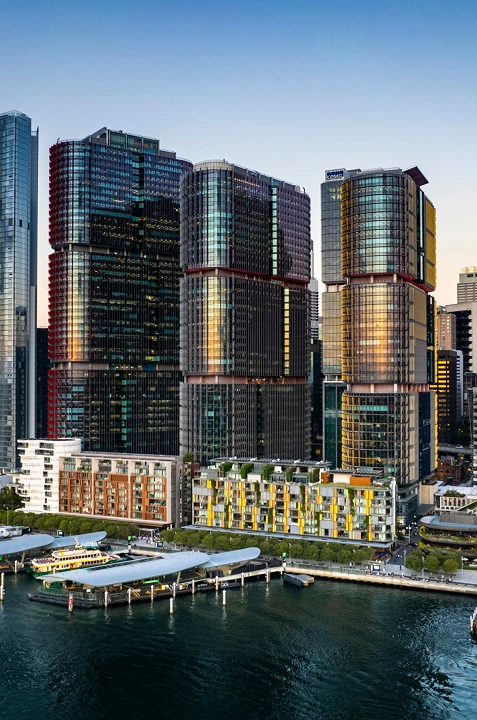
Three towers. Thousands of people. One digital layer.
International Towers brings together major tenant organisations, employees, visitors, contractors and retailers. Around them sit meeting spaces, car parks, lockers, security, building operations and community life.
Community · Events · Perks · Bookings · Access
Security · Permits · Spaces · Contractors · Safety
The platform has always had two jobs: make the workplace better for the people using it, and make the buildings easier to operate.
I didn't build the first version. I've helped evolve what came next.
The International Towers relationship already existed when I joined 42 Interactive. Partner Portal was several versions into its life. I became involved around version four and have since helped guide it through roughly six major releases, through around version nine.
My role sits between the business and the engineering team: understand what International Towers is trying to achieve, help shape the product response, and work out how the technology needs to change. I led the technical team and architecture; the team generally wrote the implementation code.
Over time it became much more than a portal. It became infrastructure for how people interact with the buildings.
A paper form was costing years.
A contractor cannot simply walk into a major commercial building and start work. Someone needs to know who they represent, whether their induction and accreditation are current, what systems their work affects and who needs to approve it.
Amica turned that manual process into digital requests, tenant and operational approvals, contractor checks and CM3 integration for induction and accreditation validation.
Some combinations of building-system changes create unacceptable risk. The workflow can encode rules that prevent incompatible safety conditions being approved together.
This wasn't paper becoming a web form. It was operational knowledge becoming software.
Reported by 42 Interactive: an estimated three hours of tenancy, property-team and contractor effort per permit, expressed as 8.16 working years. A published estimate of operational effort, not a live counter.
A booking can change the building.
A room booking carries context: the person, organisation, tenancy entitlements, space, booking window and access required. It does more than create a calendar record.
Through the building's Gallagher / HID access environment, Amica can provide the permissions needed to reach the booked space for the appropriate time window, then remove that temporary access when the booking ends.
- Book room
- Building access
- Lift
- Floor
- Room
- Booking ends
- Access removed
The software doesn't just record the booking.
It changes what the building will let you do.
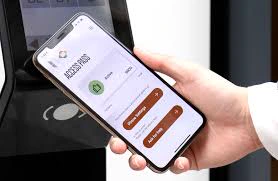
Your phone becomes the pass.
Mobile credentials let people access the parts of the building their security profile permits. They shouldn't have to understand Gallagher, HID or security profiles. They approach with their phone. The door opens.
Good integration hides the systems underneath it.
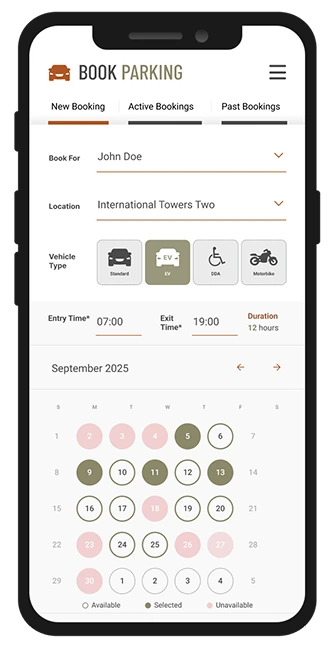
One booking system. Many kinds of space.
Meeting rooms, lockers and car parking share a booking concept, but the physical rules differ. Tenancy entitlements, contractual allowances, time windows, access and payments or chargeback all matter.
Parking adds bays, vehicle details, entry and exit, and usage allowances. The booking is connected to the physical and commercial context of the space.
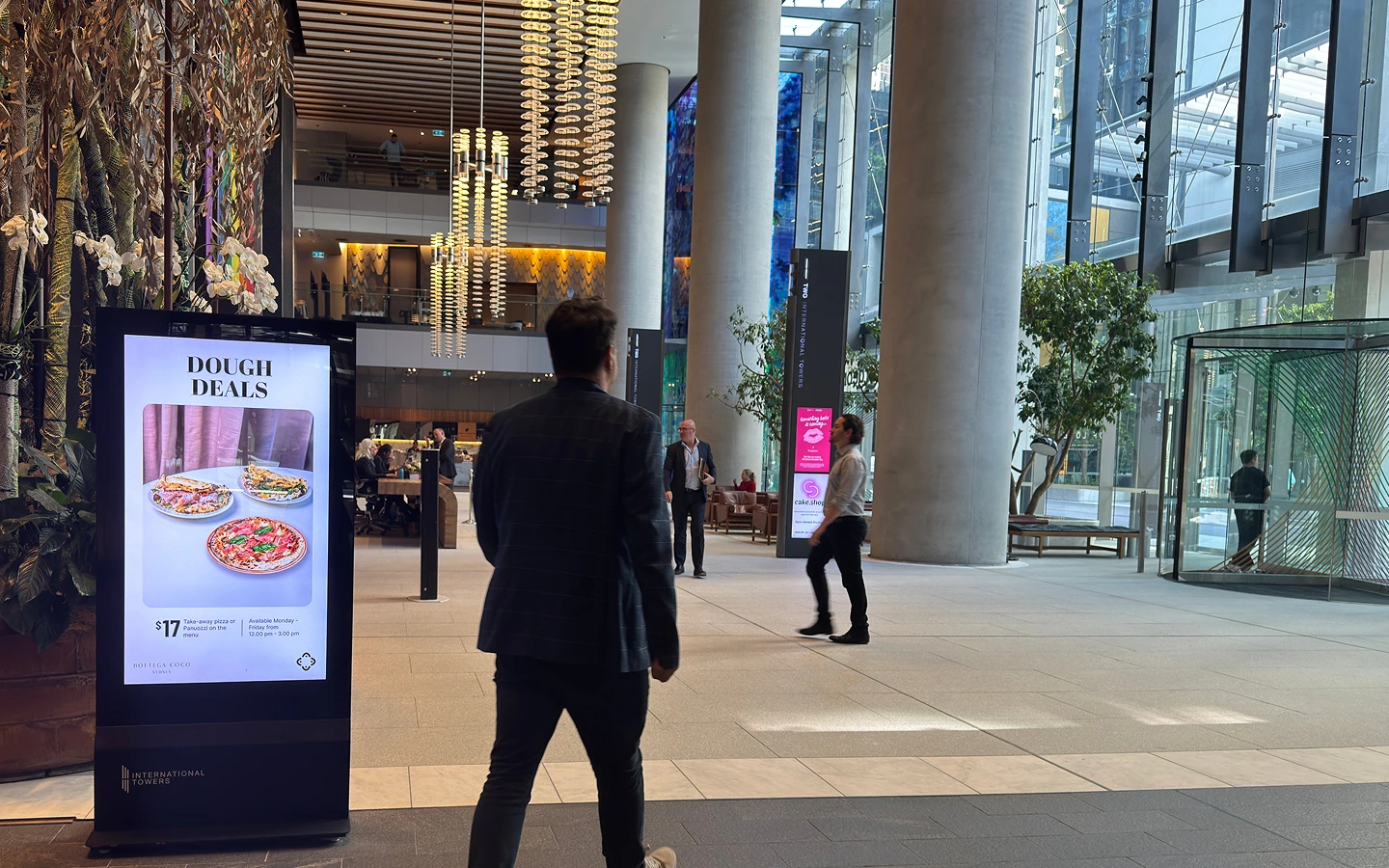
Then there were the perks.
I knew the vouchers had landed when I started standing in restaurant queues at Barangaroo, my own Amica QR code ready, and seeing the same voucher on phones around me.
No dashboard required. People were actually using it.
The programme brings together vouchers, competitions, rewards, events and points. Retailers scan voucher QR codes through tooling built for the programme, with redemptions tracked through Amica.
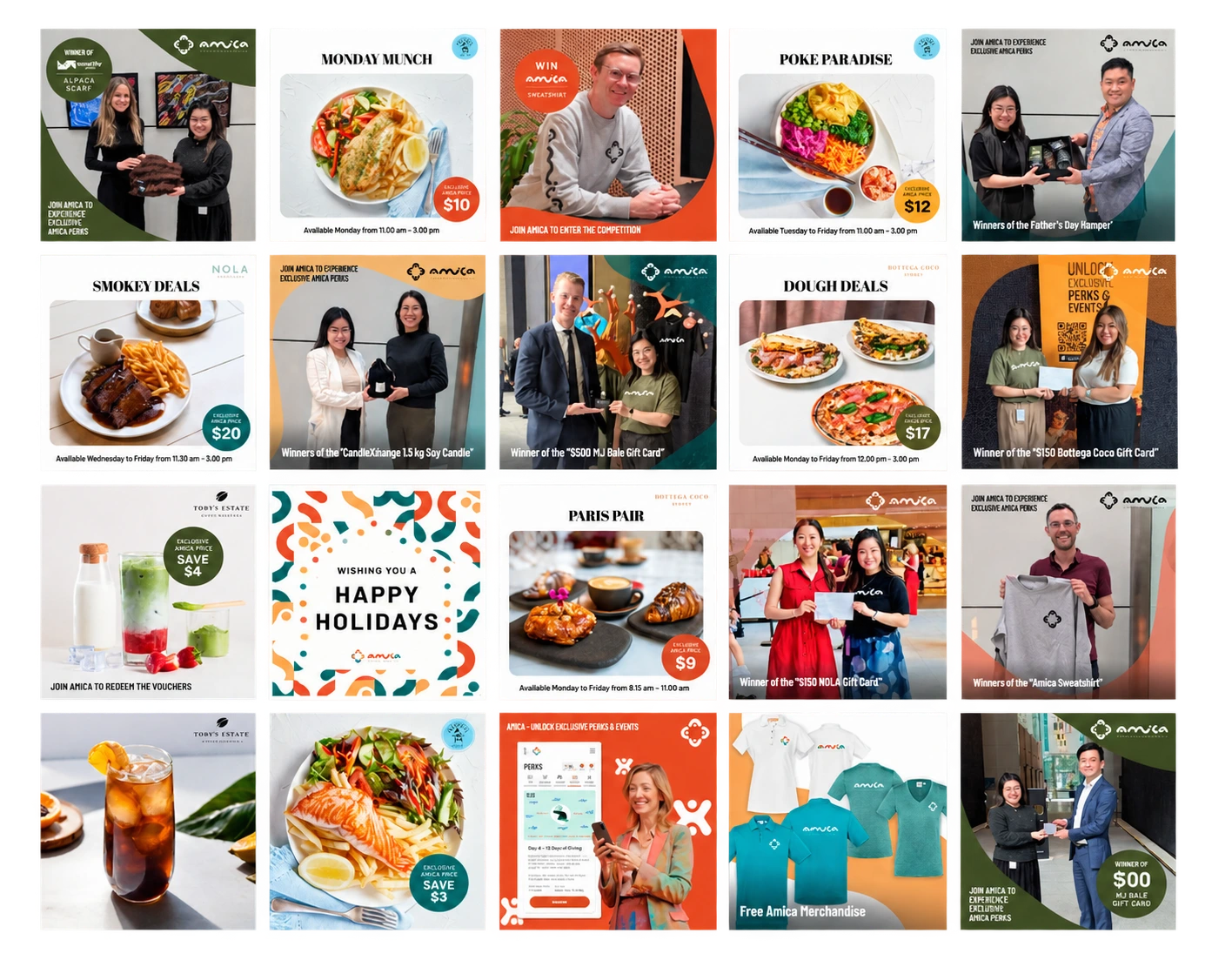
The digital experience is only the beginning.
Someone signs up on a screen. Then they physically experience something in the building. I made this showcase concept to explore that transition.
A workplace isn't only desks and doors.
Wellness sessions, community events, competitions and retailer experiences give people reasons to participate. Behind each event are practical questions about capacity, eligibility, registration, reminders and attendance.
Rewards and points add another engagement layer. Amica connects the operational building with the community inside it.
The same platform goes much deeper behind the scenes.
These areas grew through the work of a team over many releases. One platform gradually absorbing more of the relationship between people, organisations and place.
Some workflows matter more than convenience.
Warden management, training, incident communication, targeted push notifications, SMS and access-permit safety support the people responsible for the buildings.
Amica supports those people and workflows. It doesn't replace certified building safety systems.
Years of platform growth create another problem: finding things.
Indexed search makes people, organisations and platform content discoverable without asking users to know where everything lives. Keeping the index updated as records change helps the interface stay quick as the operational platform grows.
Now the platform can answer questions about itself.
The first version of Amica AI is now shipped. It combines building and platform knowledge with structured operational data and tools into the underlying system.
- Knowledge
- Operational data
- System tools
- An answer in context
Operational users can ask questions about permits issued this month, active organisations or rewards being used. The answer can draw on the operation, not just a static document.
Conversational booking, voice interaction and deeper operational actions are product direction, not current shipped capabilities. This is version one of a new layer on years of platform work.
A platform never stops changing.
- Partner Portal
- Access + operations
- Bookings + physical access
- Community + perks
- Mobile
- Amica
- AI
The buildings changed. The people using them changed. Security technology and ways of working changed. Across roughly six major releases of my involvement, the platform kept absorbing more of the relationship between people and place.
The best digital moments happen in the real world.
After years working on Amica, some of my favourite product moments have almost nothing to do with looking at software.
Someone books a room.The door opens.
Someone claims a voucher.They buy lunch downstairs.
Someone joins an event.They meet people in the building.
The software matters because of what happens after the screen. You shouldn't have to think about security profiles, APIs, entitlement rules or integrations. You should just be able to use the place.
The software isn't the experience.
The building is.